What is batik?
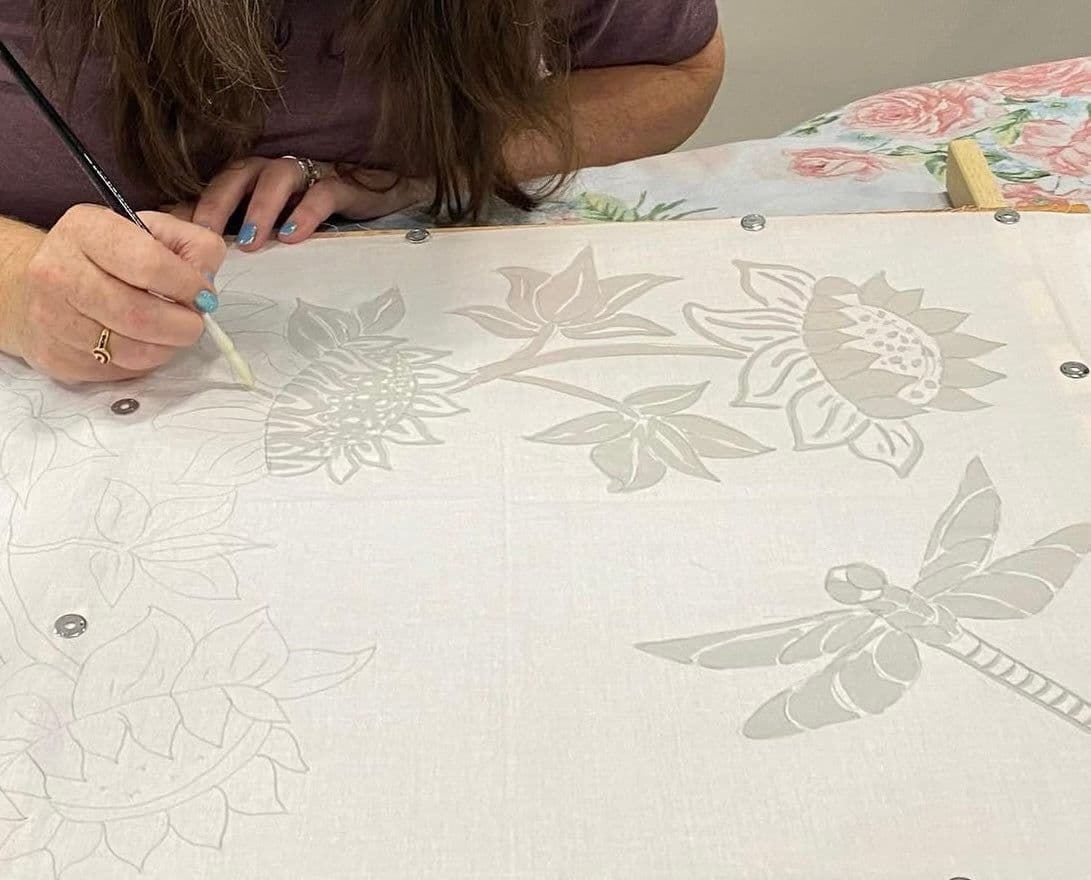
Batik is a dyeing technique using wax resist. The term is also used to describe patterned textiles created with that technique. Batik is made by drawing or stamping wax on a cloth to prevent colour absorption during the dyeing process. This creates a patterned negative when the wax is removed from the dyed cloth.
Where batik comes from
Wax-resist dyeing has been used for centuries in many parts of the world. Batik is most famously associated with Java in Indonesia, and Indonesian batik is recognised by UNESCO as intangible cultural heritage. India has its own long history of resist-dyed textiles too.
How batik is made
- Draw your design onto the fabric
- Apply melted wax over the areas you want to keep free of dye, with a brush or a tjanting, a small spouted tool
- Dye or paint the fabric: the waxed areas resist the colour
- Repeat the waxing and dyeing to layer more colours
- Remove the wax to reveal the finished pattern
Fine cracks in the wax let a little dye through, giving batik its distinctive crackle lines.
Batik workshops with Kalarshi
We run batik workshops of 2 hours, a full day or a full weekend (2 days). Batik groups are limited to 12 people.